The first days after laparoscopic umbilical hernia surgery can bring pain, nausea, bloating, bruising and uncertainty about what is safe. You will learn how to protect the repair, manage medicines and activity, and recognise when a new symptom needs prompt review by the operating team.
Key takeaways
- Walk short distances early, then increase activity as pain allows.
- Do not drive while taking opioid pain medicine or if movement feels restricted.
- Prevent constipation with fluids, fibre and any prescribed stool softener.
- Seek medical advice for fever, worsening pain, vomiting or a new firm lump.
What to Expect in the Recovery Room and First Night
After laparoscopic umbilical hernia surgery, you stay in recovery while staff check your blood pressure, pulse, oxygen level, breathing, alertness, pain and nausea. They will offer sips of fluid and confirm that you can drink without repeated vomiting and urinate before discharge.
After an uncomplicated operation, you usually go home the same day or after short observation.
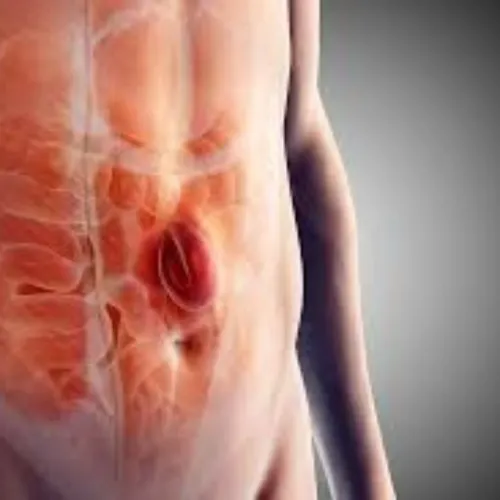
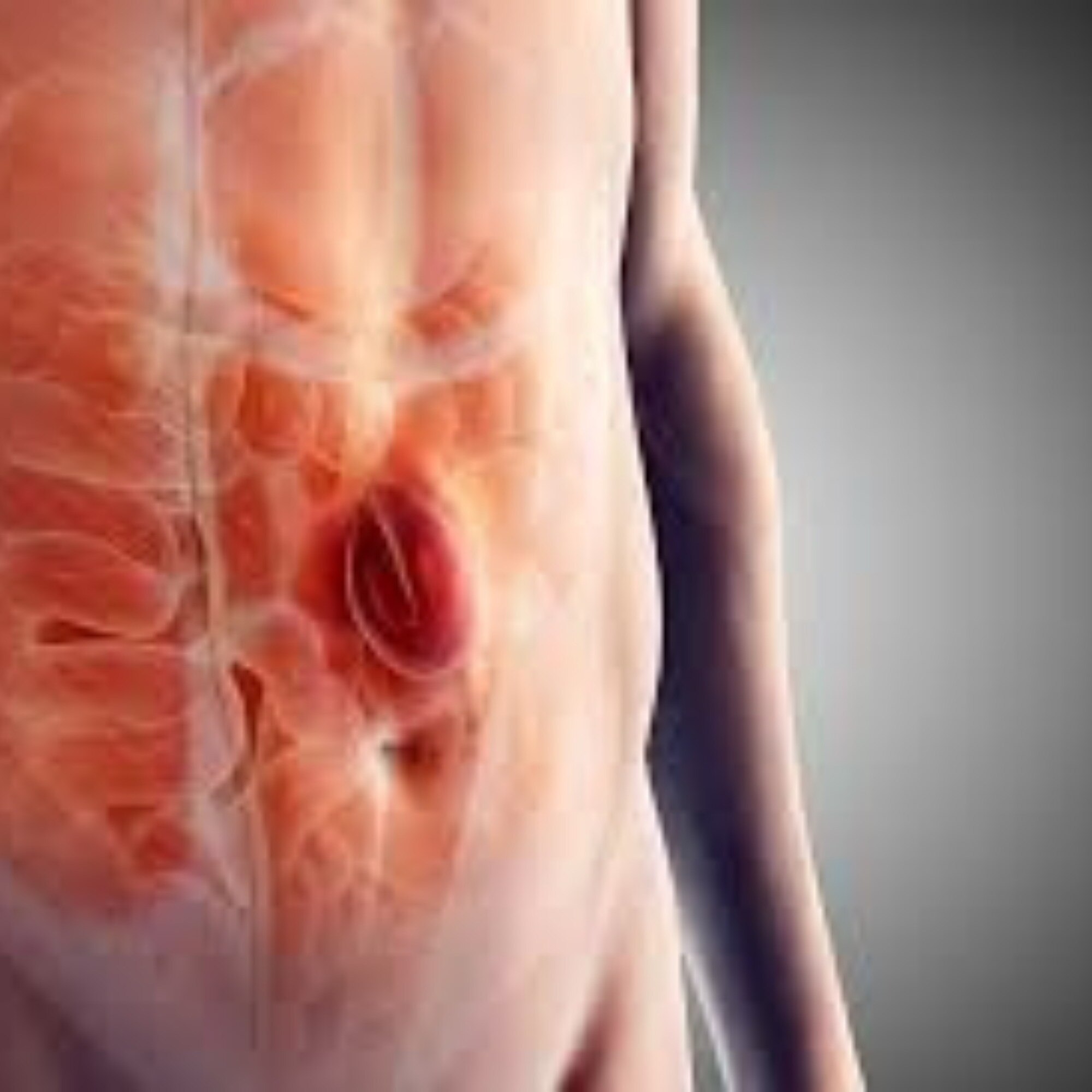
Small dressings cover the laparoscopic wounds. Mild bruising, swelling, abdominal tightness, soreness and bloating are common during the first night. Shoulder-tip or upper-abdominal discomfort can come from residual carbon dioxide used during surgery; it should ease as your body absorbs the gas.
| Symptom | Usually manageable | Contact the surgical team urgently |
|---|---|---|
| Pain | Soreness that improves with prescribed medicine and rest | Focal pain that worsens, becomes severe or does not respond to medicine |
| Stomach symptoms | Mild bloating or brief nausea; small sips and light food as tolerated | Repeated vomiting, inability to keep fluids down or progressive abdominal swelling |
| Breathing or wound changes | Mild discomfort when moving | Breathing difficulty, increasing redness, pus, heavy bleeding or a new painful lump that cannot be pushed back |
Your umbilical hernia recovery should progress gradually, with short walks rather than complete bed rest. Seek urgent medical assessment for fever, inability to pass stool or gas, or rapidly worsening symptoms.
A Practical Timeline for Walking, Driving and Daily Activities
1. Walk for a few minutes on the day of surgery, with someone nearby if you feel dizzy. Repeat short walks around the home rather than staying in bed; increase distance and frequency gradually over the next several days, stopping before pain becomes significant.
2. Return to desk work when pain is controlled without impairing medicine, you can concentrate, and you can sit comfortably. Some people manage this within several days; fatigue or soreness means you need more time. Follow your surgeon’s individual restriction.
3. Drive only when you can sit, turn and perform an emergency stop without significant pain, and have stopped opioids or other sedating medicines. Legal and insurance rules still apply. Arrange transport until these conditions are met.
4. Sleep in the position that hurts least, often on your back or slightly supported with pillows. Shower only when your discharge instructions permit it; keep dressings and incisions protected as directed. Use the toilet normally, but do not repeatedly strain.
5. Start with light household tasks such as preparing food or washing a few dishes. Leave vacuuming, carrying laundry, lifting children and other heavy pushing or pulling until your surgeon clears them. This staged approach supports umbilical hernia recovery and practical laparoscopic hernia aftercare.
6. Opioids, anaesthesia and reduced movement can delay bowel movements. Drink fluids, walk, eat fibre when tolerated, and use a prescribed or advised laxative; straining is not a substitute for treatment. Contact the surgical team if constipation persists or you cannot pass stool or gas.
Incision Care, Food, Medicines and Constipation Prevention
Keep laparoscopic wounds clean and dry according to your discharge instructions. Change dressings only as directed, and shower only after the surgical team permits it. Delay baths and swimming until the incisions have healed.
- Contact the surgical team if a dressing becomes wet, an incision separates, or deeper tissue is visible. Do not push exposed tissue back or apply creams unless instructed.
- Sip fluids and restart light food as nausea settles. Progress toward your usual diet as tolerated; stop and seek advice if repeated vomiting prevents drinking.
- Continue or restart regular medicines only according to your discharge plan. Ask for personalised instructions before taking diabetes medicines or blood thinners, because timing and doses may change around surgery.
- Use prescribed pain relief exactly as directed. Opioids can cause drowsiness, so do not drive, drink alcohol or operate machinery while impaired.
- Prevent constipation with fluids, short walks, fibre when tolerated and a prescribed or recommended laxative. Do not repeatedly strain or stop prescribed medicines without advice.
- Check with the surgical team before adding aspirin, ibuprofen or supplements. These can interact with your treatment or affect bleeding and healing.
Good laparoscopic hernia aftercare includes knowing when a minor problem needs review. Call promptly for increasing wound redness, pus, fever, uncontrolled pain, or vomiting that stops you drinking. Ask what to do if you cannot pass stool or gas.
Lifting, Exercise, Sex and Protecting the Repair
Small skin incisions do not prove the abdominal wall is healed. Mesh or sutures lie deeper and need time to integrate, so unrestricted lifting can strain the repair despite neat scars.
Increase activity in this order:
- Walk short distances early in your umbilical hernia recovery, adding time and distance as pain allows. Walking is safer than bed rest, but stop before fatigue or increasing soreness.
- Avoid heavy lifting, forceful pushing or pulling, abdominal workouts such as sit-ups and planks, and contact sport until your surgeon clears them. Four to six weeks is a common guide for strenuous activity, not a universal deadline; defect size, mesh position, closure method, pain and your work can change it.
- Resume sex when movement is comfortable. Stop if you feel pain, pulling or increasing abdominal discomfort.
- Cough or sneeze while supporting the abdomen with your hand or a pillow. To rise from bed, bend your knees, roll onto your side, lower your legs, then push up with your arms instead of sitting straight up.
Ask a hernia specialist for a personalised lifting limit if your job or exercise involves force. Smoking, poorly controlled diabetes and excess weight can slow healing and increase wound or recurrence problems; stopping smoking, improving glucose control and pursuing safe weight management support the repair.
These steps do not replace assessment of a new bulge or worsening pain.
A New Lump or Pain: Routine Healing or a Complication?
A stable, firm, non-tender lump beneath the repaired navel can be a postoperative seroma, especially when a space remains around the repaired sac. Bruising, temporary swelling and abdominal tightness also occur after surgery and do not automatically mean the hernia has returned.
| Finding | More consistent with routine healing | Needs medical review |
|---|---|---|
| Lump | Stable, firm and not very painful | Growing, red, hot, very painful or cannot be pushed back |
| Pain | Improving soreness or shoulder-tip discomfort from residual carbon dioxide | Focal pain that is severe, escalating or different from expected gas discomfort |
| Skin and wound | Mild bruising or limited swelling | Increasing redness, pus, wound separation or significant bleeding |
Seek urgent assessment for:
- Fever, pus or worsening redness around an incision
- Severe or escalating pain, or a new painful lump that cannot be reduced
- Persistent vomiting or inability to keep fluids down
- Progressive abdominal swelling, or inability to pass stool or gas
- Shortness of breath or significant bleeding
At follow-up, ask the hernia specialist to document the defect size, whether mesh was used, its position and whether the abdominal-wall opening was closed with sutures. Also ask which lifting restrictions apply to your repair and when they change; these details matter more than the word “laparoscopic” alone in laparoscopic hernia aftercare.
For Mumbai patients, Dr. Jiten Chowdhry can provide specialist review of recovery, a persistent bulge or a possible abdominal-wall complication.
Related products
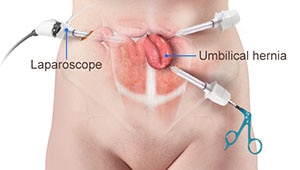 | Laparascopic Surgery For Umbilical Hernia Umbilical hernia is a bulge form in abdomen. In children, it is healed on its own but if this disease occurs in adults then a surgery is needed. View product → |
 | Laparascopic Surgery For Inguinal Hernia An Inguinal Hernia is a gap in the strong tissue in the abdomen which holds the stomach muscles. View product → |
Frequently asked questions
When can you walk after laparoscopic umbilical hernia surgery?
You can usually take short, gentle walks soon after surgery and gradually increase distance as your pain and energy improve.
When can you drive after laparoscopic umbilical hernia surgery?
Drive only when you are no longer taking opioid pain medicine, can sit comfortably and can brake and turn without pain or hesitation.
How should you care for the laparoscopic incisions?
Keep the dressings and incisions according to your discharge instructions, avoid picking at surgical glue, and contact your care team for spreading redness, drainage or worsening pain.
When is a new lump after umbilical hernia surgery a concern?
A small, soft swelling can occur during healing, but a rapidly enlarging or firm lump with severe pain, vomiting, fever or skin colour changes needs prompt medical assessment.
Related items
Hernia Treatment What is a Hernia? A hernia develops when a portion of the intestine or abdominal tissue protrudes through a weakened abdominal wall. View service → |
 | Laser Surgery For Fistula We are best Fistula Treatment Surgery Doctor In Mumbai . Get Guidance from Medical experts to select laser surgery for fistula in Mumbai from trusted... View product → |
 | Laproscopy Surgery for Appendicectomy Appendicitis is the swelling of the appendix which is present in the right side of the abdominal region. View product → |
 | Laser Treatment Hemorrhoids /Piles Hemorrhoids : Hemorrhoids are varicose (enlarged and swollen) veins around the outside of the anus or in the lower rectum. View product → |