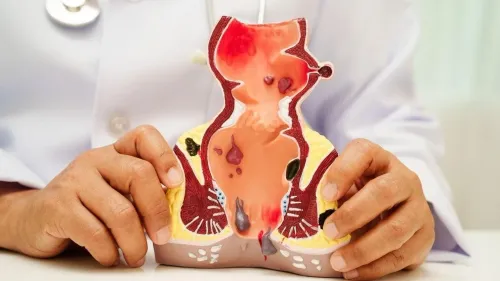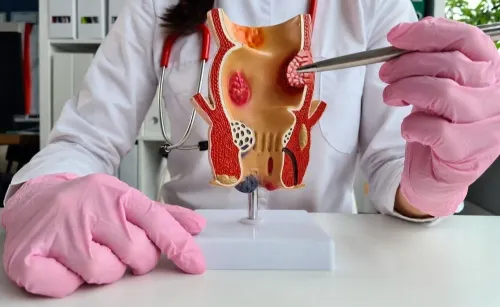
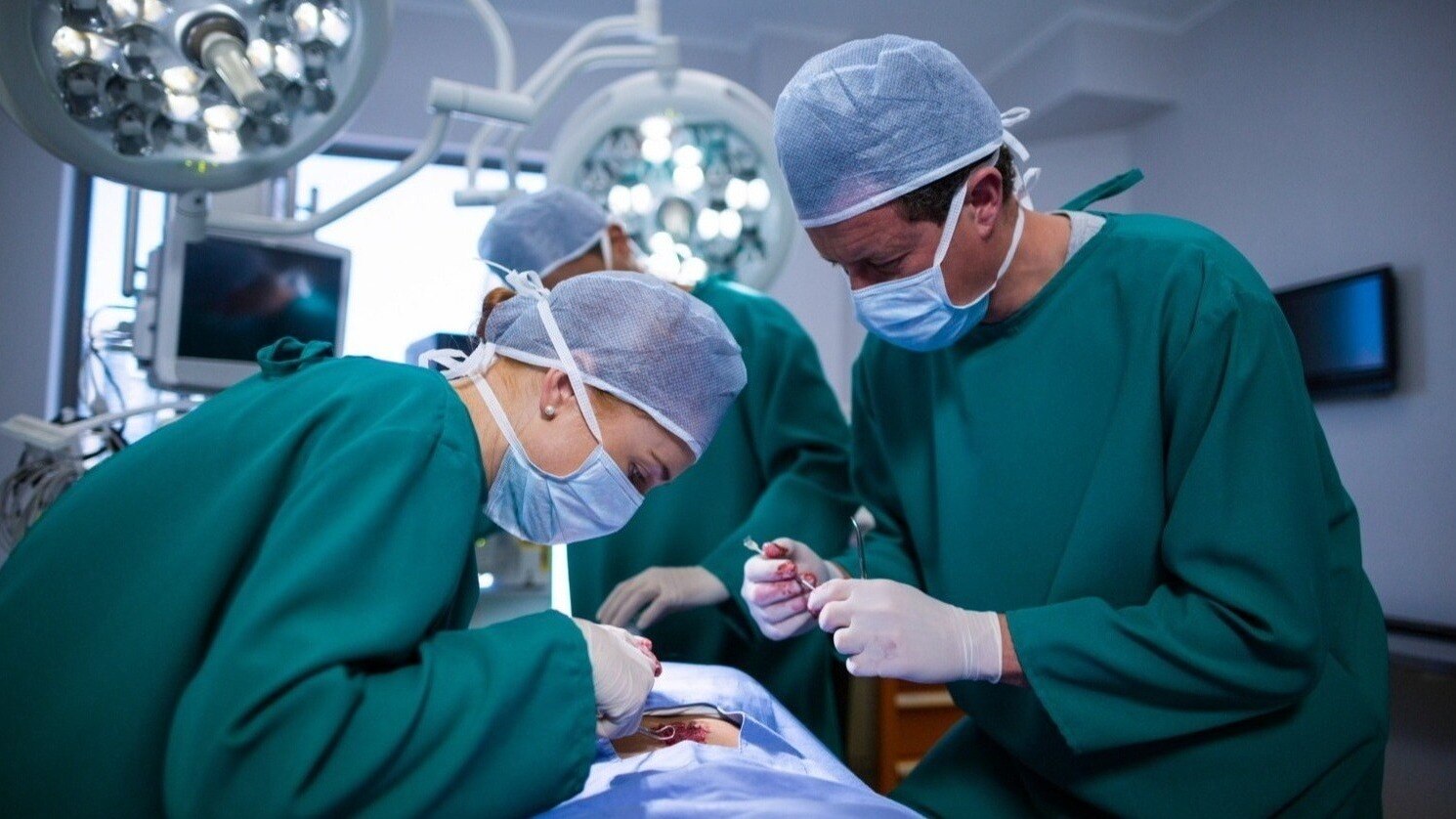
Treatment begins with a focused history and a careful inspection, then moves from stool-softening measures to prescription medicines or a procedure when healing does not occur. By following the sequence, you can understand what the surgeon is checking, how each option is delivered, and what recovery and follow-up involve.
Key takeaways
- Expect symptom questions before any anal examination.
- Chronic fissures are judged by duration, examination findings and sentinel skin changes.
- Treatment often starts with softer stools, fibre, fluids and prescribed medicines.
- Botulinum toxin or surgery is considered when conservative treatment fails or the fissure persists.
What happens at the first consultation and examination?
The first appointment begins with questions, not an instrument. During the anal fissure consultation, the general surgeon asks when pain starts, how long it lasts after a bowel movement, whether bleeding is bright red, and how much blood appears.
1. Tell the surgeon about constipation, diarrhoea, childbirth, previous fissures, and any earlier anal fissure treatment. Bring a list of medicines and ointments you have tried, your usual bowel frequency, continence concerns such as leakage or urgency, and records of prior anorectal procedures.
2. The surgeon explains the anal fissure examination and asks for your consent before examining you. Privacy is maintained, and you are positioned on your side or in another position that allows access while keeping you covered as much as possible.
3. With a focused light, the surgeon inspects the anal verge and surrounding skin. This visual inspection often confirms a fissure by showing the tear, its position, and nearby irritation or a skin tag.
4. A digital rectal examination or anoscopy is not forced as a routine step. Severe sphincter spasm and tenderness can make either procedure intolerable, so the surgeon may postpone it until pain settles or arrange examination under anaesthesia when necessary.
The examination is adapted to your pain. That approach helps the surgeon plan safe, appropriate treatment instead of turning a painful first visit into an unnecessary struggle.
How does the surgeon confirm the diagnosis and judge whether it is chronic?
The surgeon confirms an anal fissure by matching the pain pattern with inspection of the anal verge.
A typical tear lies in the posterior or anterior midline and appears as a linear split; an acute anal fissure looks fresh, while a chronic anal fissure persists and may show a sentinel skin tag, hypertrophied anal papilla, induration, or exposed internal sphincter fibres.
The anal fissure differential diagnosis matters because each condition needs different treatment.
| Condition | Clues that differ from a fissure | Usual next step |
|---|---|---|
| Haemorrhoids | Swollen vascular tissue or prolapse, rather than a linear tear | Anoscopy if tolerable |
| Fistula | A skin opening, recurrent drainage, or a cord-like tract | Examination and imaging when needed |
| Abscess | Fever, pus, swelling, or constant worsening pain | Urgent assessment and drainage |
| Inflammatory bowel disease | Multiple or lateral fissures, diarrhoea, weight loss, or abdominal symptoms | Gastrointestinal assessment |
| Infection | Ulcers, discharge, blisters, or systemic illness | Targeted tests and treatment |
| Anal cancer | An indurated, irregular, bleeding, or nonhealing lesion | Biopsy and specialist referral |
A single typical fissure often needs no further test. Severe spasm can make anoscopy or a digital examination intolerable, so the surgeon may defer them; examination under anaesthesia helps when inspection is incomplete or another lesion is suspected.
Imaging assesses a suspected abscess or fistula, while biopsy evaluates an indurated, atypical, multiple, lateral, or nonhealing lesion. Referral for gastrointestinal assessment follows suspected inflammatory bowel disease.
What happens during the first stage of treatment?
The anal fissure medical treatment process usually starts by making bowel movements soft and reducing internal sphincter spasm. These measures break the cycle in which hard stool reopens the tear and pain triggers further tightening.
1. Increase fibre through vegetables, fruit, legumes, whole grains, or a suitable fibre supplement. Drink enough fluid for the fibre to work, avoid straining, and do not sit on the toilet for prolonged periods.
2. Use a stool softener for anal fissure or an osmotic laxative when the surgeon recommends one. The choice and dose depend on your stool consistency, other medicines, and medical conditions.
3. Take a warm sitz bath for symptom relief, particularly after a bowel movement. A topical anaesthetic can provide short-term pain control, but it does not heal the fissure.
4. Apply the prescribed ointment just inside the anal opening or directly to the affected area, exactly as instructed. Topical glyceryl trinitrate, diltiazem, or nifedipine lowers internal sphincter pressure and gives the fissure a better chance to heal.
5. Complete the prescribed course even if pain improves early. Nitrates can cause headaches; calcium-channel-blocker ointments, including topical diltiazem for anal fissure, are often chosen when appropriate because they tend to cause fewer headaches.
These steps address hard stool and spasm, but they do not guarantee immediate healing. Persistent pain or bleeding needs review rather than repeated self-treatment.
When does treatment move to botulinum toxin or surgery?
After an adequate prescribed medical-treatment course, the decision changes when pain persists, the fissure recurs, or chronic features such as a sentinel skin tag or hypertrophied anal papilla remain. The general surgeon anal fissure treatment decision weighs duration, sphincter spasm, prior treatment, baseline continence, previous anorectal operations, age, and childbirth-related sphincter injury.
| Option | What happens | Main trade-off |
|---|---|---|
| Botulinum toxin anal fissure treatment | After local, regional, or general anaesthesia when needed, the surgeon injects the internal sphincter on one or both sides of the fissure. | Preserves the sphincter, but the temporary relaxation has less durable healing and a higher recurrence rate. |
| Lateral internal sphincterotomy | Day surgery divides part of the internal sphincter through a small lateral incision. | Offers stronger durability, but can impair control of flatus or stool. |
Botulinum toxin acts as a temporary chemical sphincterotomy, relaxing the muscle while the fissure heals without cutting it. Lateral internal sphincterotomy does not remove the fissure; a tailored cut can stop near its proximal end instead of dividing a fixed muscle length.
Surgery carries greater continence concern in people with pre-existing leakage, older patients, prior anorectal surgery, or previous obstetric sphincter injury. A Mumbai patient considering this anal fissure surgery decision can discuss diagnosis, suitability, and alternatives with Dr. Jiten Chowdhry.
What happens after treatment and at follow-up?
After sphincterotomy, anal fissure recovery usually centres on comfortable bowel movements rather than a large surgical dressing. The small lateral wound is often left open or covered minimally. Keep stools soft, clean gently, take prescribed analgesia, and use warm baths for comfort.
- Expect mild soreness, a small amount of bleeding, or limited drainage during early healing. Botulinum toxin recovery differs because it relaxes the internal sphincter without making a muscle incision.
- Do not start antibiotics unless prescribed. Routine antibiotics are not standard for an uncomplicated fissure, which is a tear rather than an abscess.
- Seek urgent assessment for fever, increasing swelling, pus, worsening constant pain, or difficulty urinating. These symptoms can indicate infection or another complication.
- Attend your anal fissure follow-up even if pain has improved. The surgeon asks about pain, bleeding, stool consistency, urgency, flatus or stool control, and your return to normal activity before confirming whether the fissure has healed.
Persistent symptoms do not automatically justify repeated sphincter cutting. The surgeon reassesses hard or loose stools, adherence to treatment, incomplete sphincter treatment, inflammatory bowel disease, abscess, fistula, atypical disease, or another diagnosis. Continue fibre, adequate fluid, and avoidance of straining because hard stool, diarrhoea, or renewed spasm can cause anal fissure recurrence.
Frequently asked questions
What happens at the first anal fissure consultation and examination?
The surgeon asks about pain after bowel movements, bleeding, constipation and symptom duration, then examines the anal area. Severe pain can limit the examination.
How does a surgeon confirm an anal fissure and determine whether it is chronic?
The diagnosis usually comes from the symptom pattern and visible examination findings. A fissure lasting more than six weeks is considered chronic, especially when a sentinel skin tag or enlarged anal papilla is present.
What happens during the first stage of anal fissure treatment?
Initial treatment focuses on soft stools and reducing sphincter spasm. Your plan may include fibre, adequate fluids, stool-softening medicine, warm sitz baths and a prescribed topical medicine.
When does treatment move to botulinum toxin or surgery?
Escalation is considered when symptoms persist despite appropriate medical treatment, when the fissure is chronic or recurrent, or when pain and spasm remain severe. Options include botulinum toxin injection and lateral internal sphincterotomy.
What happens after anal fissure treatment and at follow-up?
Follow-up checks pain, bleeding, bowel movements, wound healing and fissure closure. You receive instructions on stool consistency, hygiene, activity and warning signs that require prompt review.