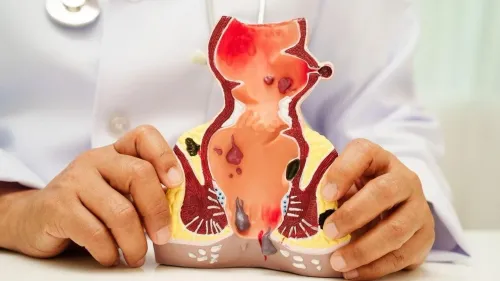

The right anal fistula operation depends on the tract’s route, its internal opening and how much anal sphincter muscle it crosses—not simply on where you see drainage on the skin. By comparing the available procedures and understanding what happens during a consultation, you can ask focused questions about healing, recurrence and continence before agreeing to treatment.
Key takeaways
- Choose treatment from the tract route, internal opening and sphincter involvement.
- A closing skin opening does not confirm that the fistula has healed.
- Ask how each option protects continence and handles recurrent infection.
- Use laser closure only when the tract anatomy makes it suitable.
Which fistula features decide the operation?
The operation turns on the tract’s anatomy, not the skin opening alone. A general surgeon identifies the internal opening, measures the tract’s route and length, and estimates how much anal sphincter it crosses. An external opening that closes and reopens does not prove healing; trapped infection can simply recreate the opening.
The findings that separate a simple fistula from a complex one include:
- A low, short, single tract crossing little functioning sphincter
- A high tract crossing substantial external sphincter
- Multiple branches or a horseshoe extension
- A current abscess requiring drainage
- Recurrent disease or previous fistula surgery
- Crohn’s disease, which can impair healing and change treatment
| Feature | Usual direction | Main trade-off |
|---|---|---|
| Low, simple tract | Fistulotomy may fit | Lays open tissue for direct healing but divides some sphincter |
| High, branching or horseshoe tract | Loose seton, staged treatment, LIFT or advancement flap may fit | Preserves sphincter but healing can be less predictable |
| Abscess or active infection | Drainage, often before definitive repair | Controls sepsis; drainage alone may not eradicate the tract |
| Recurrent disease or Crohn’s disease | Detailed mapping and sphincter-sparing planning | Reduces continence risk while accepting possible further treatment |
Fistulotomy may offer a direct cure when little sphincter is involved. Cutting more muscle can increase gas, liquid-stool or faecal incontinence, especially with existing continence problems or prior injury. That trade-off matters more than geography when weighing anal fistula surgery options or fistula treatment choices in Mumbai.
What happens during a general surgeon fistula consultation?
A general surgeon fistula consultation starts with your history, because the external skin opening does not reveal the whole tract. Explain drainage, pain, swelling, previous abscesses or operations, gas or stool leakage, childbirth injury, bowel symptoms, diarrhoea, weight loss, and any diagnosis of Crohn’s disease or tuberculosis.
The examination usually proceeds as follows:
- The surgeon inspects the anus and skin for external openings, scars, discharge, redness and multiple openings.
- A digital rectal examination assesses tenderness, lumps, the internal opening and resting muscle tone.
- Proctoscopy or anoscopy may inspect the anal canal when the internal opening or another cause of bleeding needs clarification.
- Pelvic MRI is useful for recurrent, branching, horseshoe or clinically unclear fistulas because it can reveal hidden extensions or an abscess.
- Endoanal ultrasound can help map the sphincter muscles and tract, especially when protecting continence affects the procedure choice.
- Examination under anaesthesia allows a more thorough, painless assessment and drainage, but it does not automatically replace MRI; imaging can still show branches the examination misses.
Ask for these findings in plain language:
- Where is the internal opening?
- What route does the tract take?
- Are there branches or a horseshoe extension?
- Is an abscess present?
- What part or estimated percentage of the sphincter is involved?
A useful general surgeon fistula consultation should explain those findings before recommending general surgeon fistula treatment for options in Mumbai. Location does not determine the operation; anatomy, continence risk and suitable imaging do.
How do fistulotomy, setons and sphincter-sparing procedures compare?
A low, simple tract that crosses little functioning sphincter often suits fistulotomy: the surgeon opens the tract along its length so it heals from the base. Avoid it when dividing substantial external sphincter could damage continence, or when continence is already impaired.
| Option | What it does | When it fits |
|---|---|---|
| Fistulotomy | Lays the tract open | Low, simple fistulas with limited sphincter involvement |
| Loose draining seton | Keeps an infected or complex tract open and draining | Abscess control, staged treatment or ongoing drainage; it usually does not eradicate the tract |
| Cutting seton | Gradually divides tissue as it is tightened | Selected cases after an explicit discussion of sphincter and continence risk |
| LIFT | Closes the tract in the intersphincteric plane | When fistulotomy would divide too much sphincter |
| Endorectal advancement flap | Covers the internal opening with a flap of rectal lining | A sphincter-sparing option for unsuitable fistulotomy cases |
| Fibrin glue or fistula plug | Seals or fills the tract without deliberate sphincter division | When preserving the sphincter matters, with variable durability |
| Laser closure or VAAFT | Uses a device to close or inspect the tract | Selected anatomy after checking recurrence evidence and operator experience |
LIFT and an endorectal advancement flap protect the sphincter in principle, but healing is less predictable and further treatment may be needed. Glue and plugs can persist or recur; laser closure and VAAFT are not automatic replacements for established operations.
For fistula treatment choices in Mumbai, ask which option matches your tract and why. Confirm:
- The continence risk
- The chance of persistence or recurrence
- The next step if treatment fails
When is laser closure useful, and when is it the wrong choice?
Laser closure is useful when the tract is clearly mapped, the internal opening is identifiable, and avoiding sphincter division matters. “Minimally invasive” is not enough: compare the technique with these anal fistula surgery options.
| Option | Main trade-off | When it fits |
|---|---|---|
| Fistulotomy | Opens the tract directly but divides tissue | Low, simple tract with little sphincter involvement |
| Laser closure | Preserves the sphincter but can leave persistent disease | Clearly defined tract and experienced operator |
| LIFT or advancement flap | Protects the sphincter but healing is less predictable | High or complex tract where fistulotomy risks continence |
| Loose seton | Drains infection without usually curing the fistula | Abscess, inflammation or complex disease needing staged treatment |
Ask for specific answers before accepting laser treatment:
- Where is the internal opening, and does the tract branch or form a horseshoe?
- How much sphincter does it cross?
- What evidence supports this device, and how often does the surgeon use it?
- What is the chance of persistence or recurrence?
- What procedure follows if the tract remains open?
An acute anorectal abscess needs prompt drainage. Antibiotics alone do not reliably replace drainage, and definitive fistula treatment may wait until inflammation settles or the anatomy becomes clear. Crohn’s disease affecting healing, an undrained abscess, an unclear opening or substantial sphincter involvement all deserve caution.
Your baseline continence, previous fistula surgery and willingness to undergo a second procedure belong in the decision. A general surgeon fistula consultation should document this trade-off rather than present laser closure as automatically safer.
What should you ask before agreeing to treatment in Mumbai?
Before agreeing to surgery, ask for a plain explanation of the anatomy, the expected recovery and the backup plan if treatment does not work. A general surgeon fistula consultation should identify whether the tract crosses the sphincter, which part is at risk, and whether MRI or examination under anaesthesia is needed.
Ask these questions before consenting:
- Is there an abscess that needs drainage first?
- Do I need a loose seton, and will it drain the tract or provide definitive treatment?
- Why is this procedure safer for my sphincter than the alternatives?
- What anaesthesia will you use?
- Will the wound remain open or be closed?
- How often will I change dressings, and when can I bathe?
- What should I expect during bowel movements, and how will pain be controlled?
- Which warning signs require urgent review?
- When are follow-up visits scheduled, and when can I return to work?
- What is the next procedure if the first treatment fails?
| Option | Main purpose | Key question |
|---|---|---|
| Fistulotomy | Opens a low tract directly | How much functioning sphincter will be divided? |
| Loose seton | Maintains drainage before staged treatment | When will definitive treatment follow? |
| LIFT, flap or laser closure | Aims to preserve sphincter | What is the recurrence risk and rescue plan? |
For fistula treatment choices in Mumbai, compare this detail rather than a label such as minimally invasive. A search for general surgeon fistula treatment for options in Mumbai should end with a written estimate separating surgeon, hospital, anaesthesia, imaging and follow-up charges.
Dr. Jiten Chowdhry is one clinician a patient may consult; the useful standard is documented anatomy, continence risk and staged alternatives.
Related service
Fistula Treatment An fistula is a small abnormal tunnel that develops between the inside of the anal canal and the skin around the anus. View service → |
Frequently asked questions
Which fistula features decide the operation?
The internal opening, tract route and length, and the amount of anal sphincter crossed guide the operation. A recurrent or closing-and-reopening external opening can indicate persistent infection.
What happens during a general surgeon fistula consultation?
The surgeon assesses the external opening, identifies the suspected internal opening, maps the tract and discusses how much sphincter it involves. You can then compare treatment choices and their trade-offs.
How do fistulotomy, setons and sphincter-sparing procedures compare?
Fistulotomy opens the tract to heal from the inside, while a seton keeps drainage flowing through the tract. Sphincter-sparing procedures aim to treat the fistula while limiting sphincter division; suitability depends on the anatomy.
When is laser closure useful, and when is it the wrong choice?
Laser closure is useful only when the tract can be accessed and treated without leaving the internal opening or infected branches untreated. It is the wrong choice when anatomy, active infection or complex branching requires another approach.
What should you ask before agreeing to fistula treatment in Mumbai?
Ask where the internal opening is, how much sphincter the tract crosses, why the proposed procedure fits your anatomy, how recurrence will be handled and what recovery involves.