Piles can become a recurring health concern when symptoms such as bleeding, pain, swelling, and discomfort continue despite lifestyle changes. While mild cases may improve through dietary modifications and medication, advanced piles may require a specialised procedure. Many patients today explore laser-based treatments because of their minimally invasive nature and focus on faster recovery.
A laser piles surgeon in Mumbai evaluates the condition carefully before recommending treatment. The decision depends on factors such as the grade of piles, symptoms, previous treatments, and overall health condition.
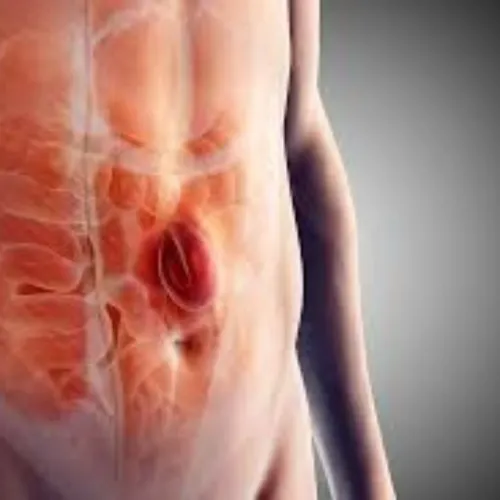
Piles develop when veins in the lower rectal area become enlarged due to increased pressure. Common factors contributing to piles include constipation, prolonged sitting, irregular bowel movements, pregnancy, obesity, and repeated straining during bowel movements.
The severity of piles is generally assessed in different grades:
Grade 1 piles remain inside the anal canal and may mainly cause bleeding.
Grade 2 piles may come out during bowel movements but return naturally.
Grade 3 piles may require manual adjustment after coming out.
Grade 4 piles remain outside and may cause significant discomfort.
Understanding the grade is important because treatment options vary depending on the condition. Laser procedures are often considered for patients requiring intervention beyond medicines and lifestyle management.
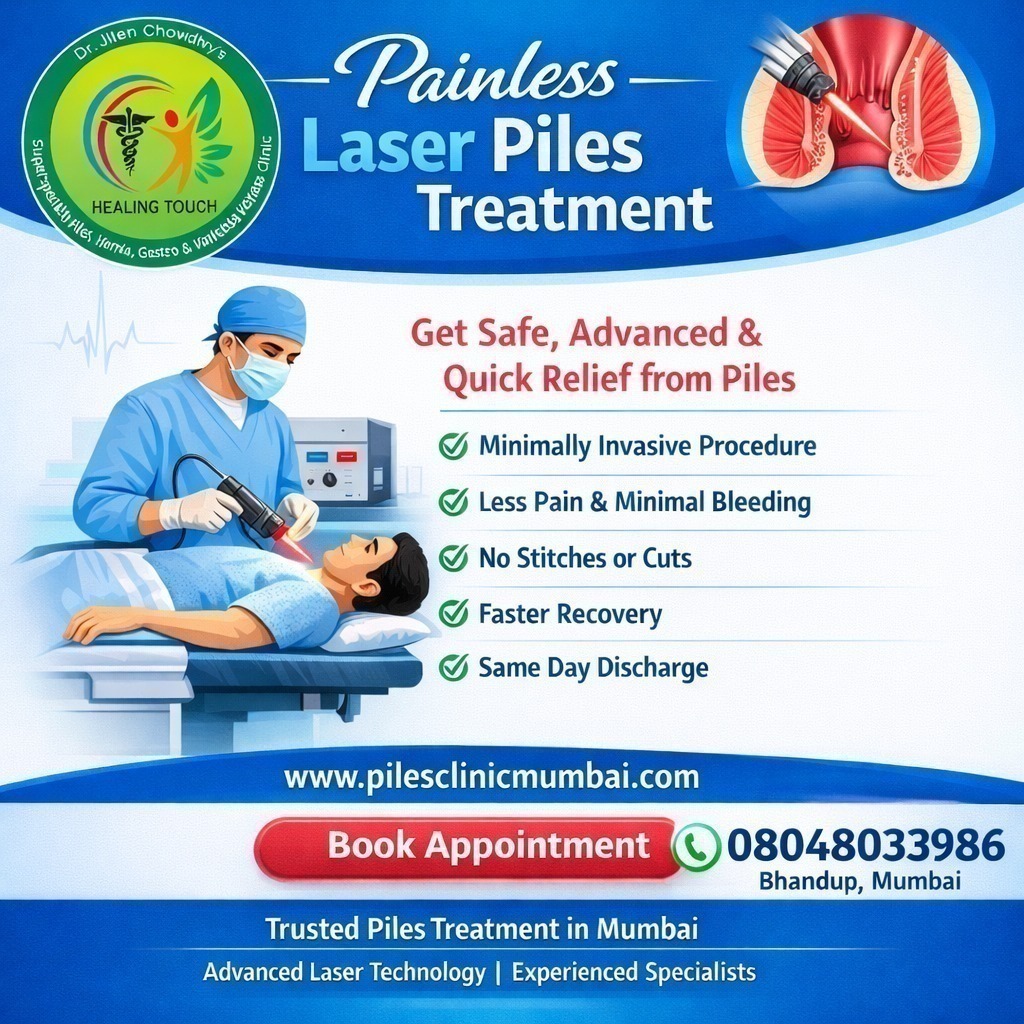
Laser piles treatment uses controlled laser energy to target affected tissues. The procedure aims to reduce enlarged blood vessels while supporting natural healing. Compared with some conventional surgical approaches, laser techniques may involve smaller treatment areas and reduced recovery discomfort for suitable patients.
Before undergoing any procedure, patients should understand important aspects such as:
The exact cause of symptoms
Whether surgery is required
Expected recovery duration
Post-treatment care requirements
Possible risks and benefits
Choosing a surgeon involves more than selecting a treatment method. Patients should consider experience in managing anorectal conditions, diagnostic approach, availability of modern techniques, and the ability to explain treatment options clearly.
Dr. Jiten Chowdhry provides evaluation and treatment guidance for patients experiencing piles and related conditions. The focus remains on understanding individual symptoms and recommending appropriate options based on medical assessment.
Lifestyle changes continue to play an important role even after treatment. Patients can support digestive health by:
Increasing fibre intake
Drinking sufficient water
Avoiding prolonged sitting
Maintaining regular bowel habits
Including physical activity in daily routines
Many people in Mumbai delay piles treatment because they feel embarrassed discussing symptoms. However, early evaluation can help identify the condition accurately and prevent discomfort from affecting professional and personal activities.
Modern treatment options have made piles management more comfortable and convenient for many patients. Consulting a qualified specialist helps individuals understand whether laser treatment is suitable for their condition and what steps can support long-term relief.